
At Enspec, our graduate programme is built around one simple idea: giving early-career engineers real exposure, real responsibility, and real support from day one.
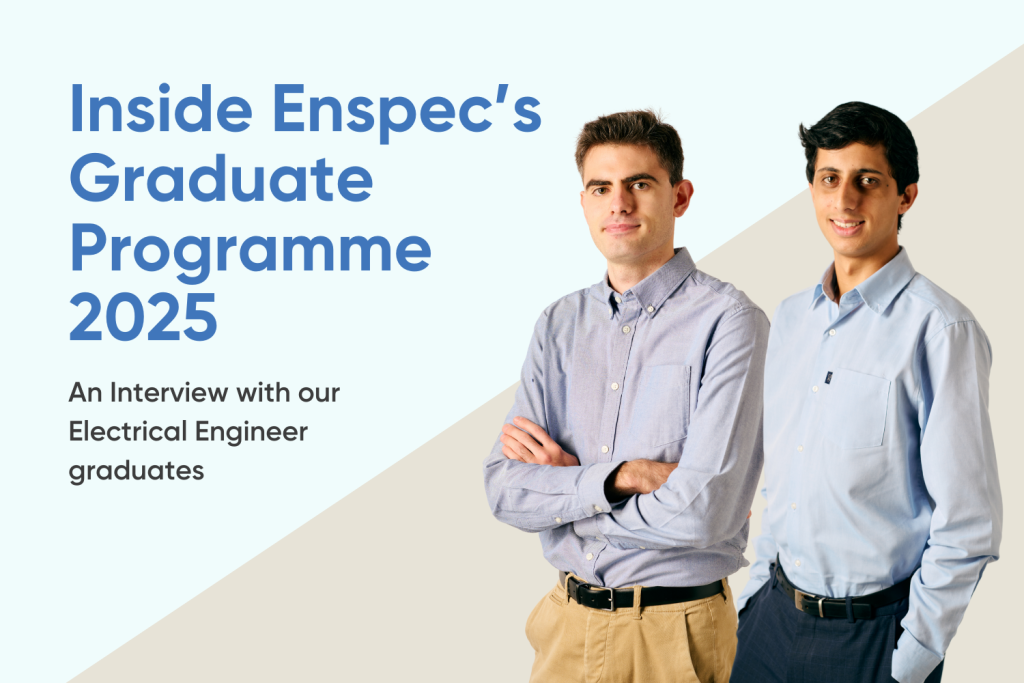
To share what that looks like in practice, we spoke with James Scott and Awais Khawaja, who joined Enspec as Graduate Electrical Engineers in October 2025. They told us about their first months in the role, what surprised them most, and how the programme is shaping their development.
Why Enspec?
For both graduates, alignment between university studies and real-world work was key.
Awais:
“I’ve been very passionate about electrical engineering for a long time, and during the last couple of years of university I was particularly interested in power systems and power electronics. The graduate scheme at Enspec, with a chance to work in multiple different teams, perfectly hit all my areas of interest.”
James:
“There was a strong similarity between the work that Enspec does and what I studied at university. The electrical field, particularly power engineering, is what I wanted to work in, and Enspec’s values and vision match my own.”
Both graduates highlighted the importance of being able to apply their academic knowledge in a meaningful way, rather than starting again from scratch.
Backgrounds and interests
James studied Electrical Power Engineering at London South Bank University, focusing on power machines such as transformers, generators, and motors, as well as load flow and short-circuit analysis.
James:
“Learning about load flow and short circuits helped me understand how important these studies are in real power systems.”
Outside of work, James enjoys hiking, scouting, bouldering, and strategy and board games.
Awais studied Electrical and Electronic Engineering, initially covering a broad range of topics before specialising further into power systems.
Awais:
“I was only briefly introduced to power systems during my second year, and after that I decided to take more modules in the same field for the remainder of the course.”
Outside engineering, Awais is an enthusiastic cyclist.
Awais:
“I love the freedom it provides, being able to explore so much of the region and visiting areas you would otherwise never come across.”
First impressions at Enspec
Starting a graduate role can be daunting, but both James and Awais described a welcoming and supportive environment from day one.
Awais:
“Everyone was incredibly friendly and welcoming. We got a chance to meet people from across all departments, and everyone was so helpful with getting us settled in.”
James:
“I felt proud of the hard work I did at university to achieve a place on the Enspec graduate scheme. At the same time, I felt slightly overwhelmed by the opportunities available, but excited for the future and the work I’ll be contributing to.”
One thing that surprised James in particular was how closely theory matched practice.
James:
“The most surprising part was finding out that 100 percent of what I learned at university correlated to the work that Enspec does.”
Learning through real projects
A defining feature of the graduate programme is early involvement in real engineering work.
Awais:
“At university, a lot of concepts are taught theoretically, with little consideration for real-world constraints. Things like lead times and space limitations are just as important as the electrical side if you want a product to actually be useful.”
One standout moment for Awais came while working on a live project.
Awais:
“Developing the PowerFactory model for the EDP Longfield project was significant for me. It was the first time I felt like I was actually contributing and helping the team, and I could put previous training into practice.”
James also highlighted the responsibility given to graduates.
James:
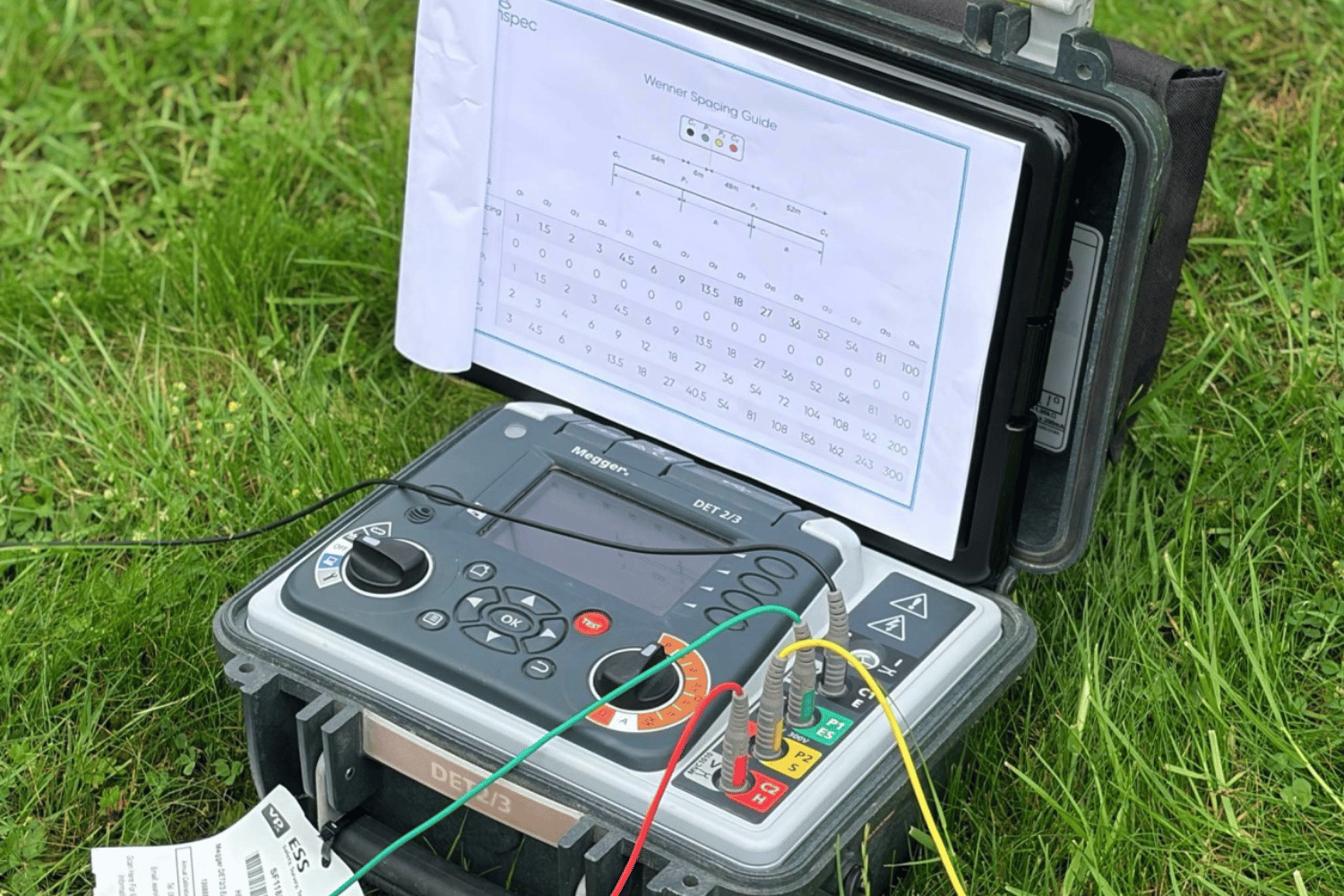
“I’ve learned a lot about earthing, lightning risk assessments, G5/5 studies, and report structuring. Being given the opportunity to fully complete lightning risk assessment reports for two battery storage sites and being praised for the work really stood out.”
Support and team experience
Support from experienced engineers plays a major role in graduate development.
James:
“The team has been very welcoming and supportive, always giving time to help me when I’m stuck or unsure about something.”
Awais:
“Different people have different areas of expertise, and they’ve all taken time out of their day to train us and make sure we can experience everything the company does. If I’ve ever had a question, technical or not, I’ve always been able to ask someone.”
Both graduates singled out the consultancy team for their ongoing guidance.
James:
“I really enjoy working with the consultancy team. They provide detailed explanations of the work I’ve been asked to assist with.”
Awais:
“Every single person on the consultancy team has helped support us with training and constant guidance, even during busy periods.”
Looking ahead
As they continue developing their skills, both graduates are excited about what comes next.
Awais:
“We’ve been doing a lot of research into cable ampacity studies, an area the team is looking to expand into. It’s a chance to learn something new and contribute to long-term development at the same time.”
James:
“I’m looking forward to developing new skills in power engineering from both senior and junior engineers, and assisting with different studies such as earthing, lightning, load flow, G5/5, and site services reporting.”
Advice for future graduates
Their advice to future applicants is simple and reassuring.
Awais:
“Keep an open mind and be prepared to learn a lot. There are so many projects you can get involved in, including things you wouldn’t have come across at university, so give everything a go.”
James:
“Do not be afraid to ask for help and don’t worry about not knowing something. You’re here to develop the skills you learned at university and learn new things. Embrace the opportunities and be yourself.”
If you want to learn more about our Graduate Programme, just click here.