


The Problem in Detail
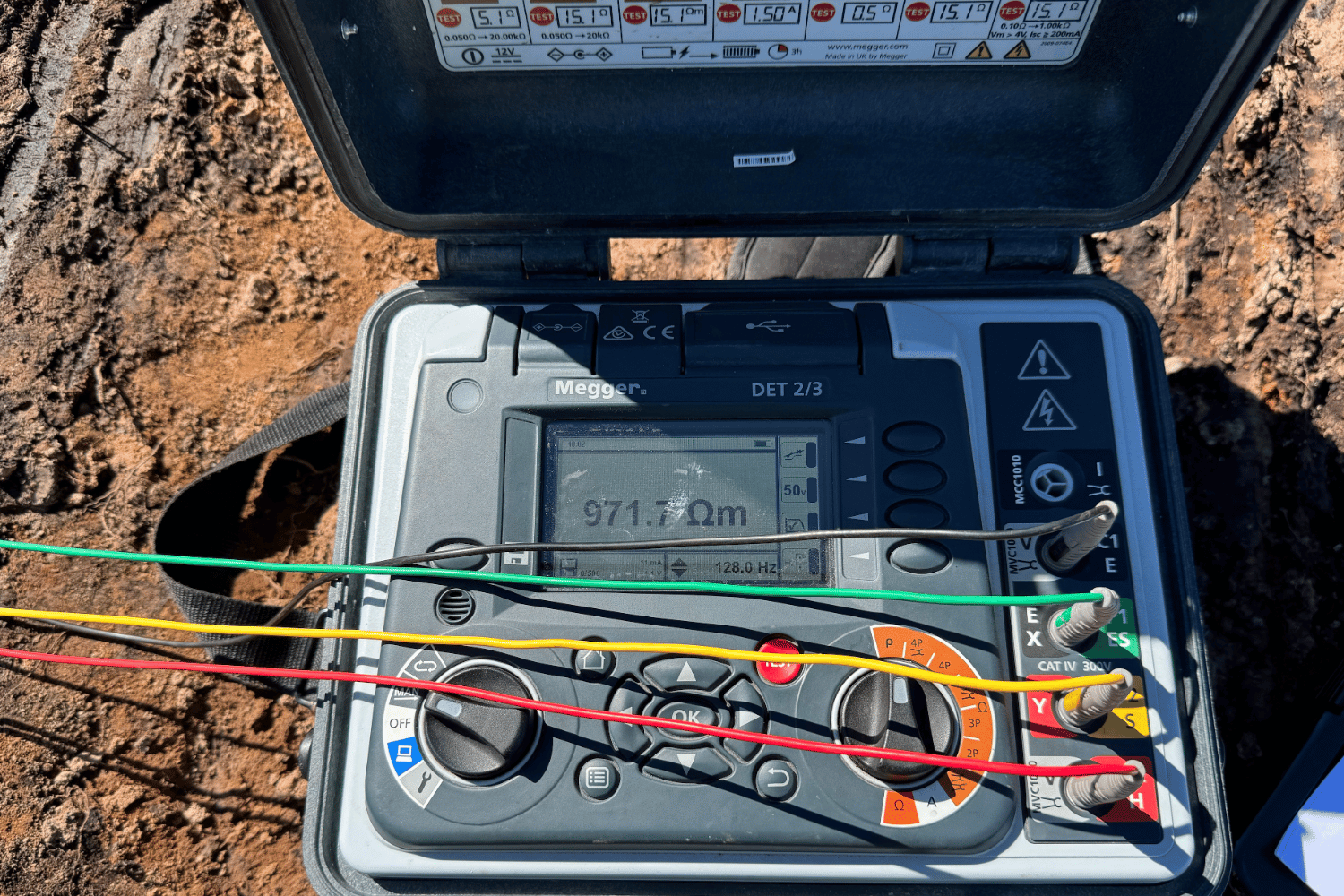
Enspec Power was appointed to investigate soil resistivity conditions at a UK battery energy storage system (BESS) development, to derive input parameters for earth grid modelling and earthing system design.
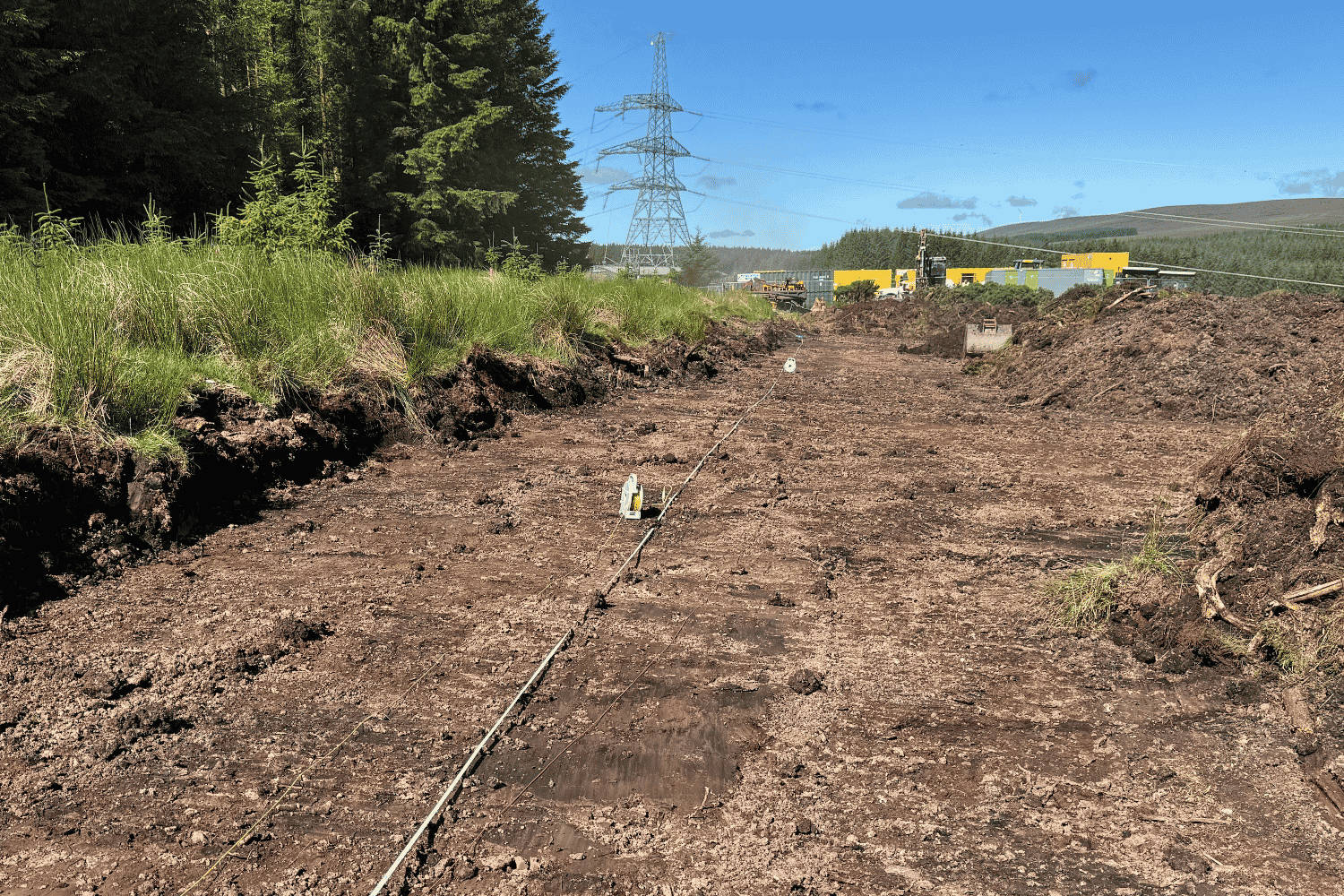
Soil conditions vary across a site and with depth, so measurements were needed across a range of locations and electrode spacings. The available site area also limited the maximum achievable electrode spacing.

Finding the Solution
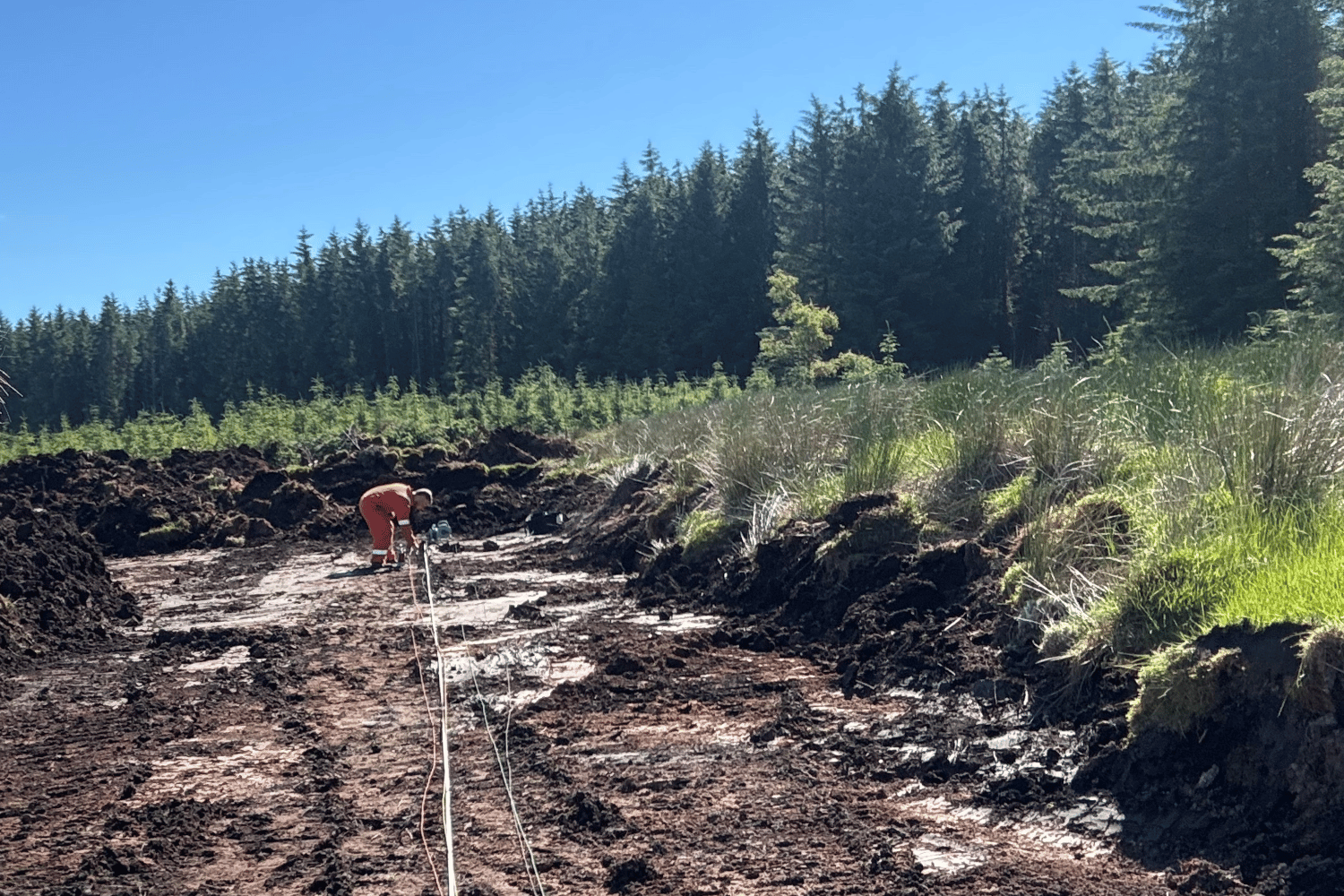
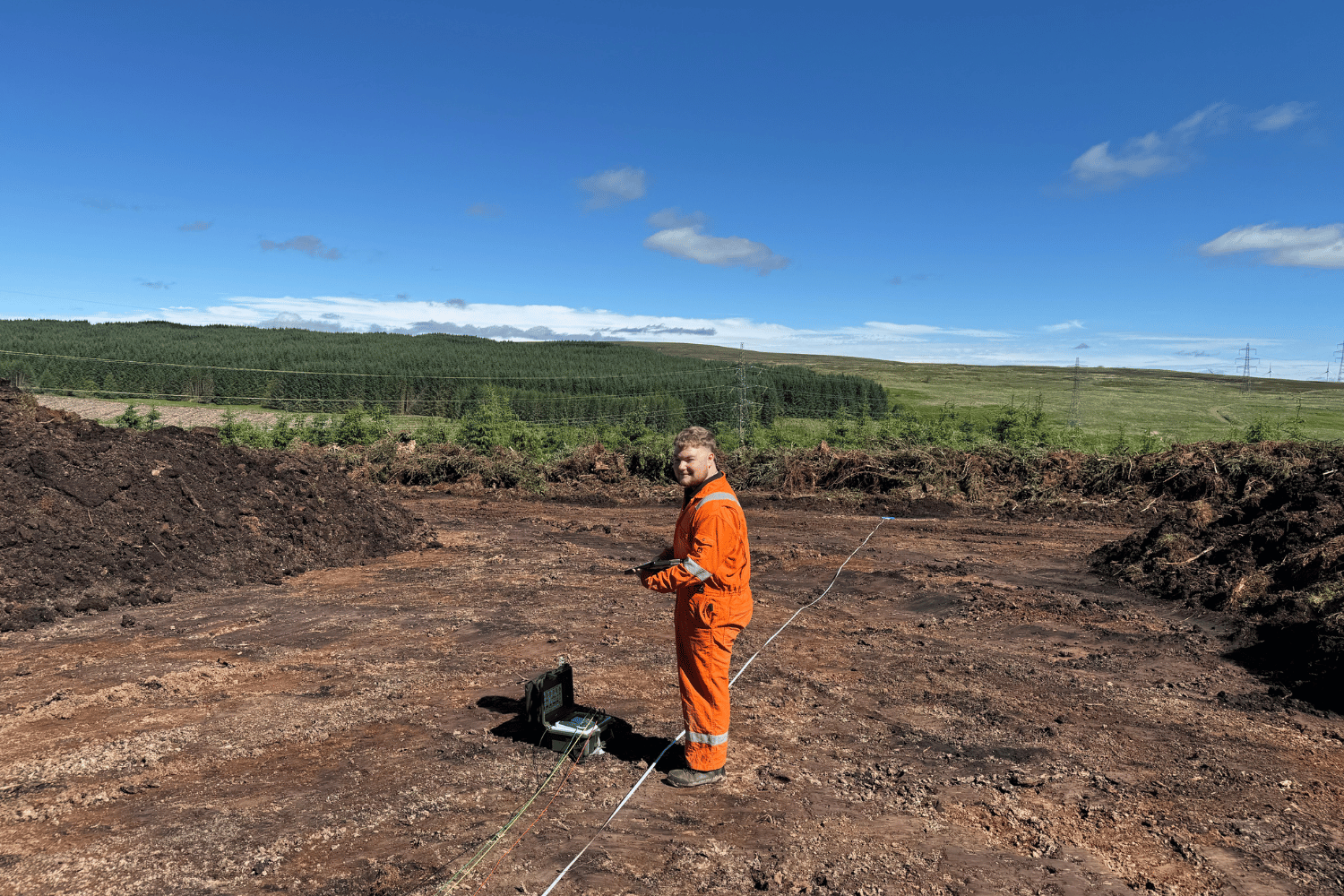
Enspec engineers completed three Wenner method surveys, with electrode spacings up to a maximum of 18 metres, generally in accordance with BS EN 50522:2022.
The plotted results showed a generally good level of consistency. They were also checked against local geological mapping and BS 7430, confirming the measured values were broadly representative of the area.

Making it Work
The data was analysed using the RESAP module within CDEGS, producing both uniform and multilayer soil models. The multilayer model showed a higher-resistivity upper layer, about 2.3 metres thick, above a lower-resistivity layer. This gave the parameters needed for earth grid modelling and earthing system design.

What this means for the project now
Combining specialist field measurement with CDEGS analysis turned the survey data into engineering parameters for the next stage of earthing design. The project now has a site-specific basis to work from, rather than assumed soil characteristics.
Soil Resistivity Testing for a UK BESS Development
Send download link to: